EGO and Virgo reorganize and create the VirgoLab
The European Gravitational Observatory (EGO), the institution that hosts the Virgo detector near Pisa (Italy), and the Virgo Collaboration have been undergoing a reorganization to tackle the new challenges of gravitational and multimessenger astronomy. As part of this effort they are proud to announce the creation of a new internal organisational structure, which will be called VirgoLab. VirgoLab will become operational in 2026 with the contribution of EGO and many European research institutions and laboratories.
VirgoLab is a distributed laboratory established by the EGO Council to operate, maintain, commission, and upgrade the Virgo interferometer, ensuring the production of calibrated, high-quality gravitational-wave data for the Virgo Collaboration. This work is carried out in coordination with the LIGO and KAGRA teams within the LVK Collaboration. The mission of VirgoLab is to keep Virgo a cornerstone of the global network of gravitational-wave observatories.
‘Frontier research, such as that on gravitational waves, requires the ability to bring together large teams of researchers with diverse skills, harmonising the needs and technologies of different sectors and the contributions of institutions and research groups from many countries,’ said Massimo Carpinelli, director of the European Gravitational Observatory. ‘In this perspective, with the creation of VirgoLab, the Virgo and EGO communities are certainly taking an important step forward towards a more advanced and efficient research management model.’
“VirgoLab represents an important step towards strengthening the technical and organisational capacity of Virgo and EGO, in view of the upcoming effort to upgrade the experiment “said Marco Pallavicini, EGO Council president and INFN executive board member.
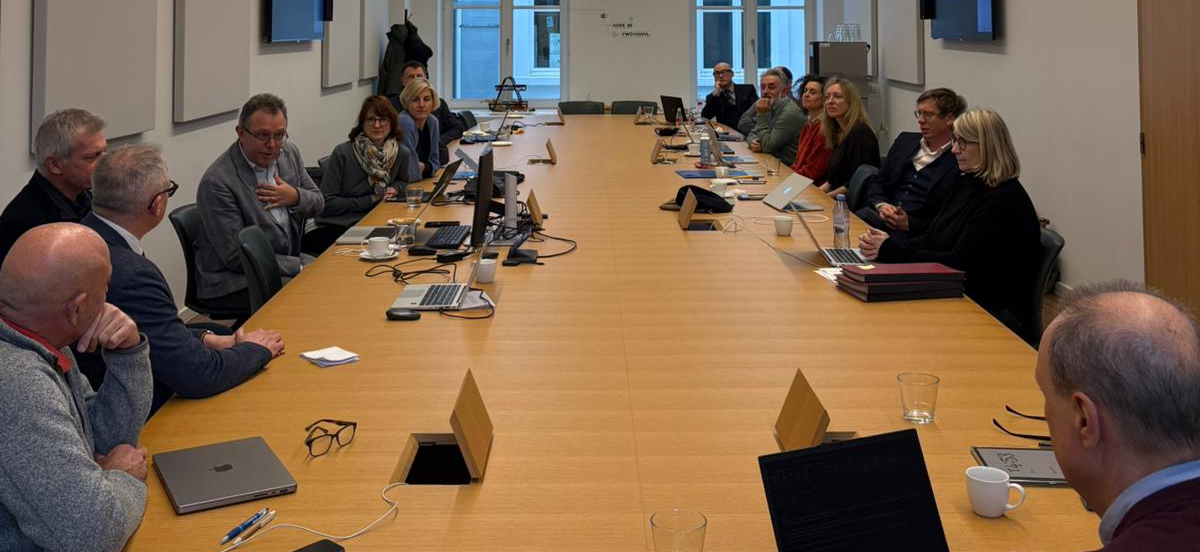
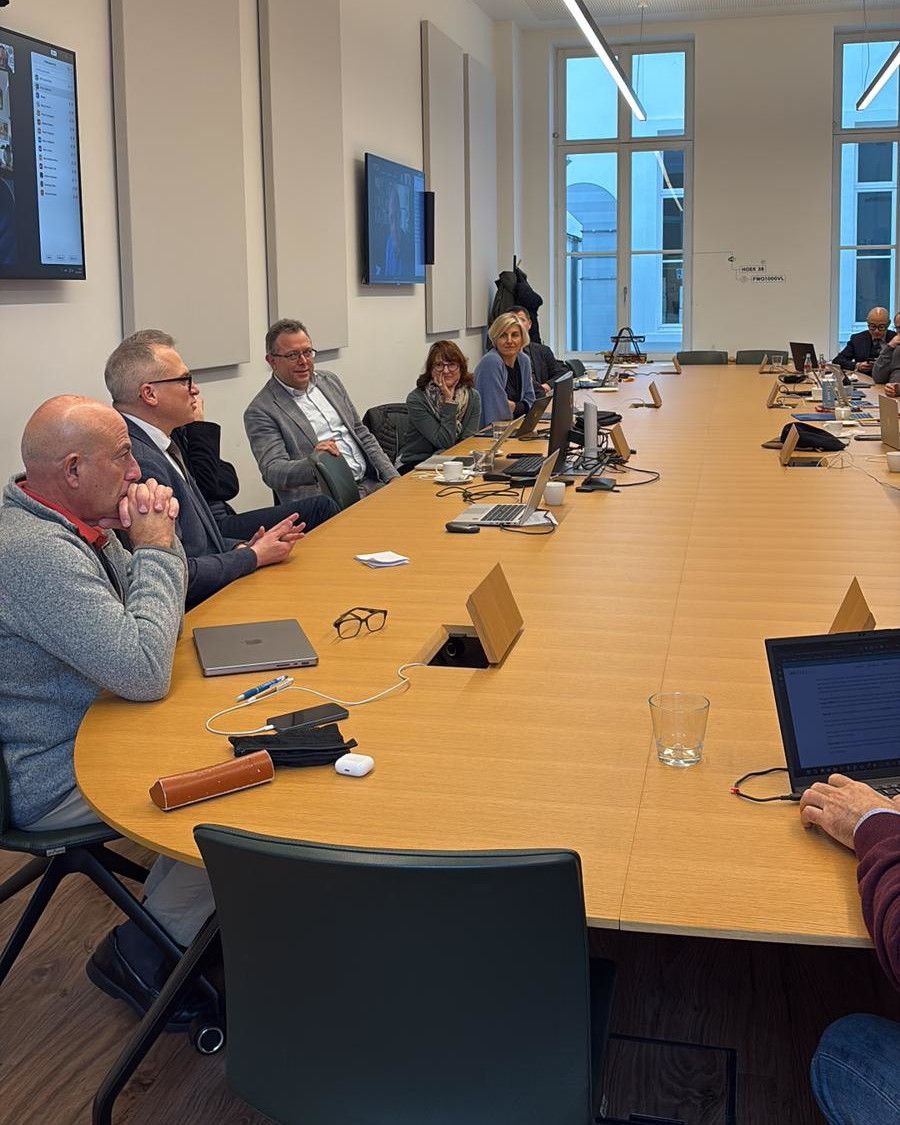
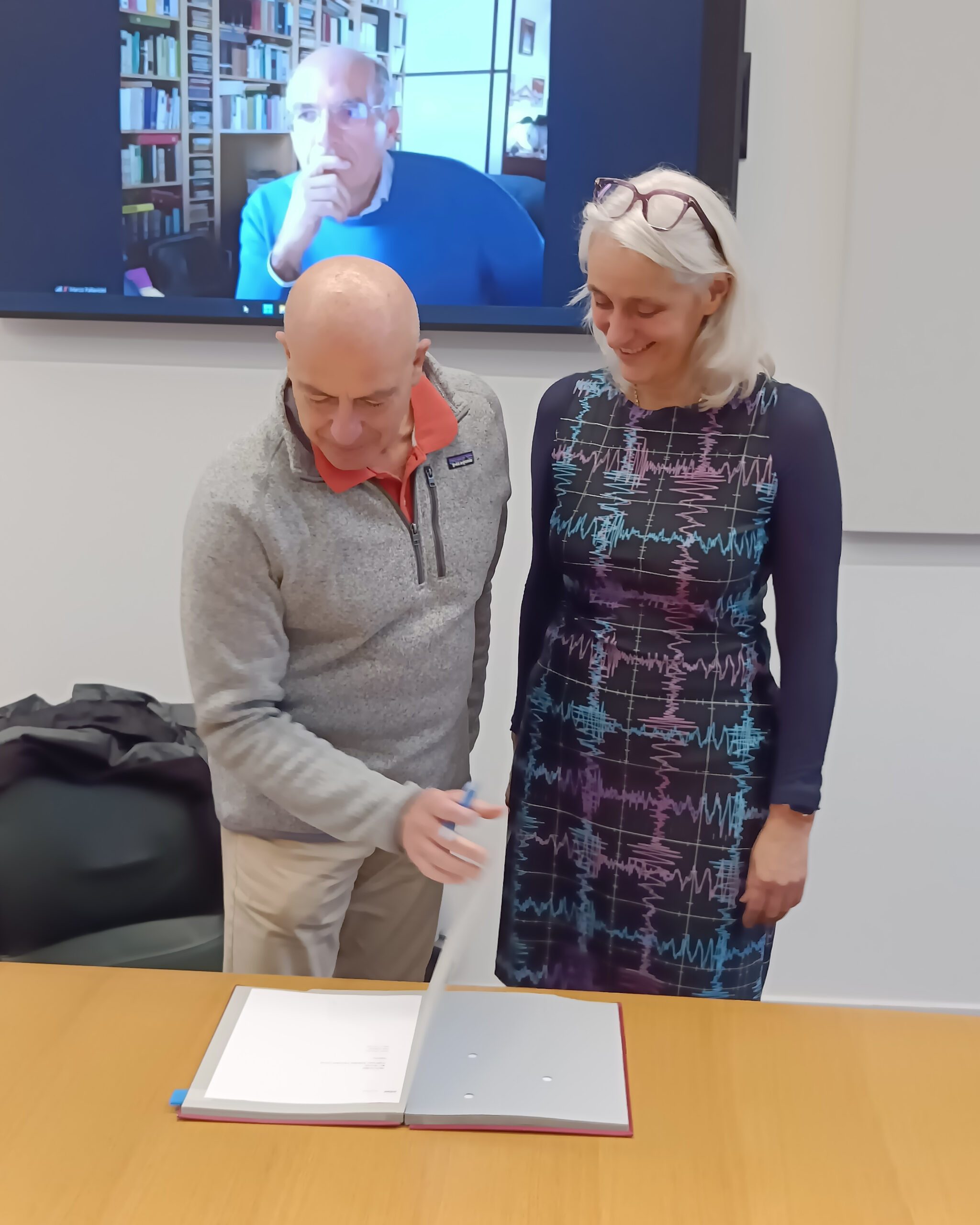
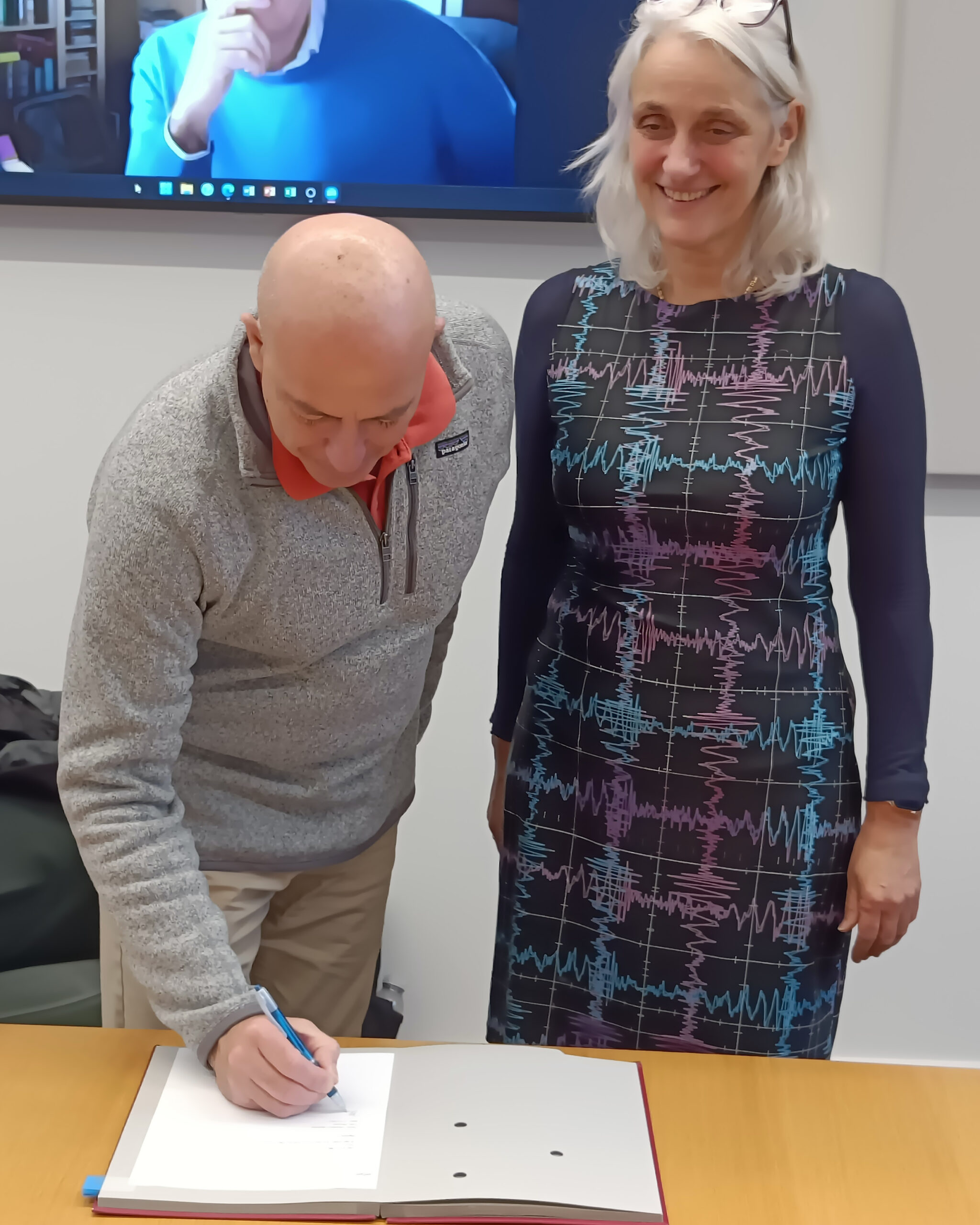
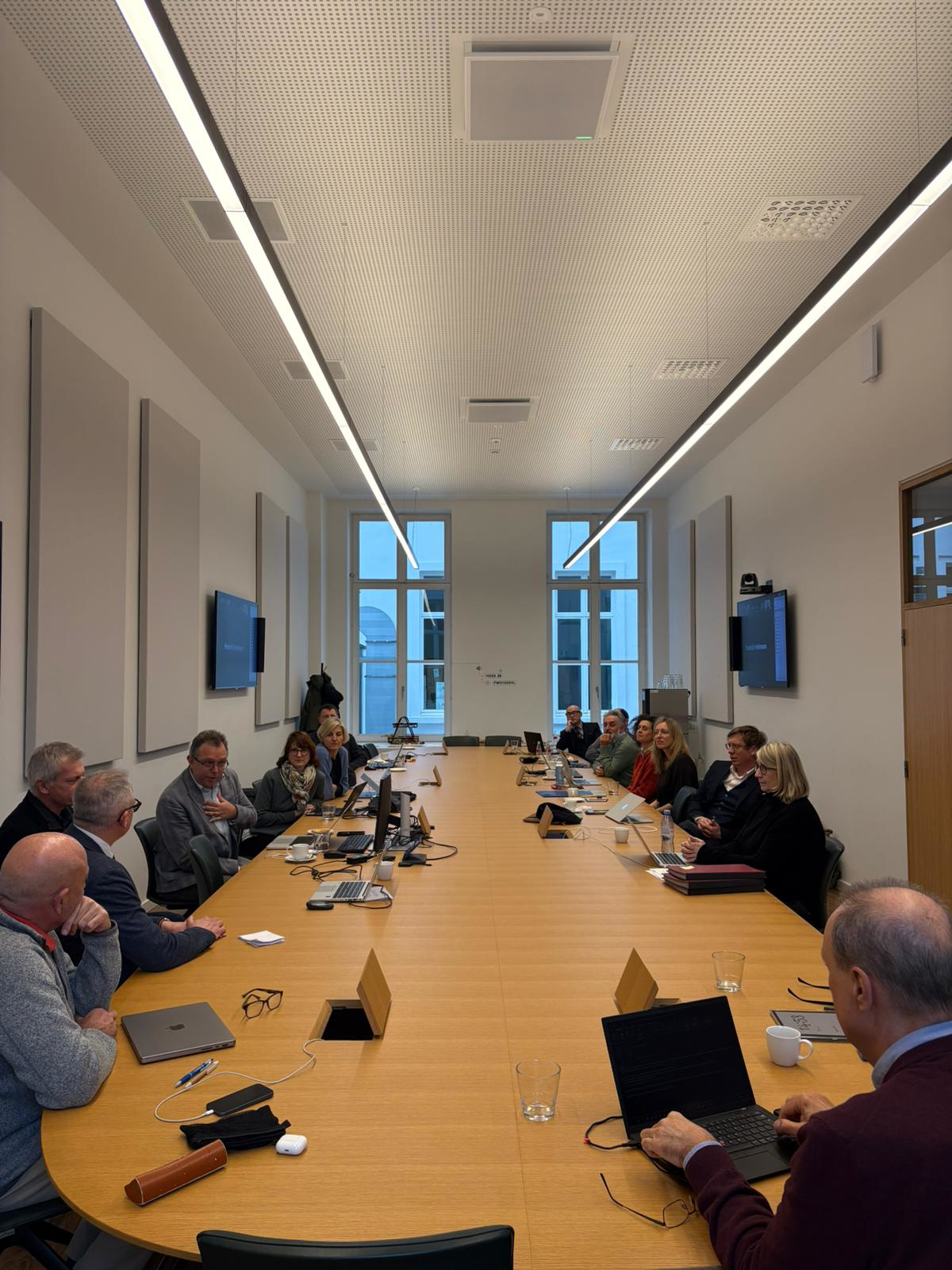
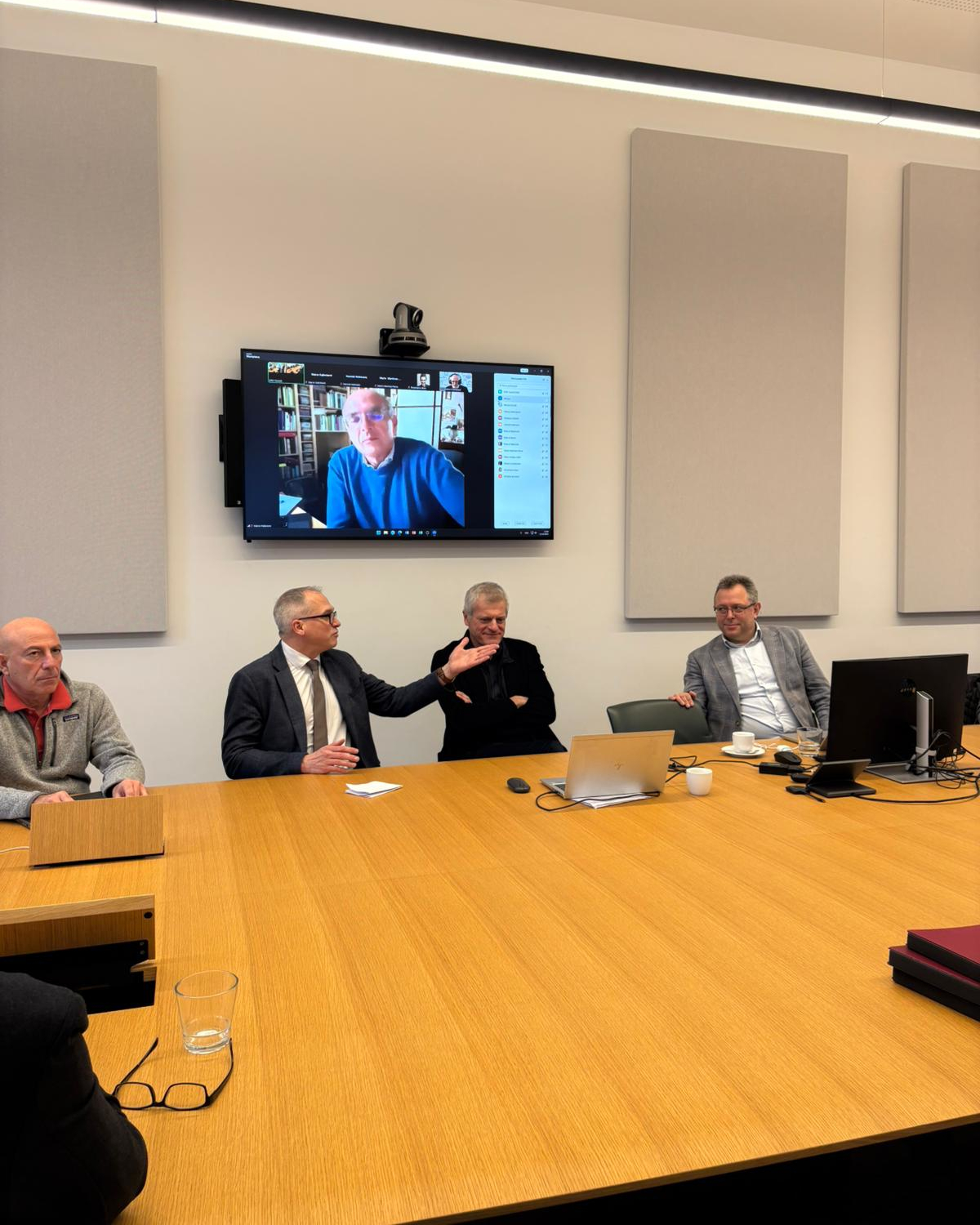
Last week, during a meeting of the EGO Council hosted by FWO in Brussels the VirgoLab agreement was signed by EGO and will be signed in the next few days by the other members of the Lab: The Katholieke Universiteit Leuven, L’Université Catholique de Louvain, Universiteit Antwerpen Belgium, Nicolaus Copernicus Astronomical Center (CAMK PAN), Computer Centre Cyfronet AGH, University of Warsaw, Jagiellonian University, CIEMAT – Centro de Investigaciones Energéticas, Medioambientales y Tecnológicas, Madrid, IFAE – Institut de Física d’Altes Energies, Bellaterra – Barcelona.
You may be interested

A kaleidoscope of cosmic collisions: the new catalogue of gravitational signals from LIGO, Virgo and KAGRA
Italy and France celebrate the era of gravitational waves at Palazzo Farnese in Rome
Einstein is still right, relativity passes the gravitational wave test (for now)
Goodbye Antonella
LIGO, Virgo and KAGRA complete the richest observation run to date


Contacts
Via E. Amaldi,5
56021 Cascina (PI) - Italy
Tel +39 050 752511
Contact us
How to reach us
Stay Tuned
EGO is a consortium of